Nervous System Regulation
Breath, slow movement and attention to physical sensation, taught as a small number of practices you can use on your own alongside training, as coaching rather than any form of clinical care.

The short answer
What this work is
Most of the people I work with are very good at effort and much less practised at the other half. They can push through a hard session, a hard quarter and a hard year. What they have had no reason to learn is how to let the body come back down afterwards, deliberately, rather than waiting for a holiday.
That is what this is. Paced breathing, slow movement, and paying attention to what you physically feel: your heartbeat, your breath, where you are holding tension. These are ordinary, well documented practices, and the aim is simply that you can do them without me. It is coaching, not clinical care. If something you describe needs a clinician, I will say so.
What you get
What you learn
- Paced breathing practices, taught properly rather than described
- Slow movement work you can do in a small space
- Attention to physical sensation, which is the skill underneath the rest
- Practices short enough to survive a working week
- Written notes so nothing depends on remembering the session
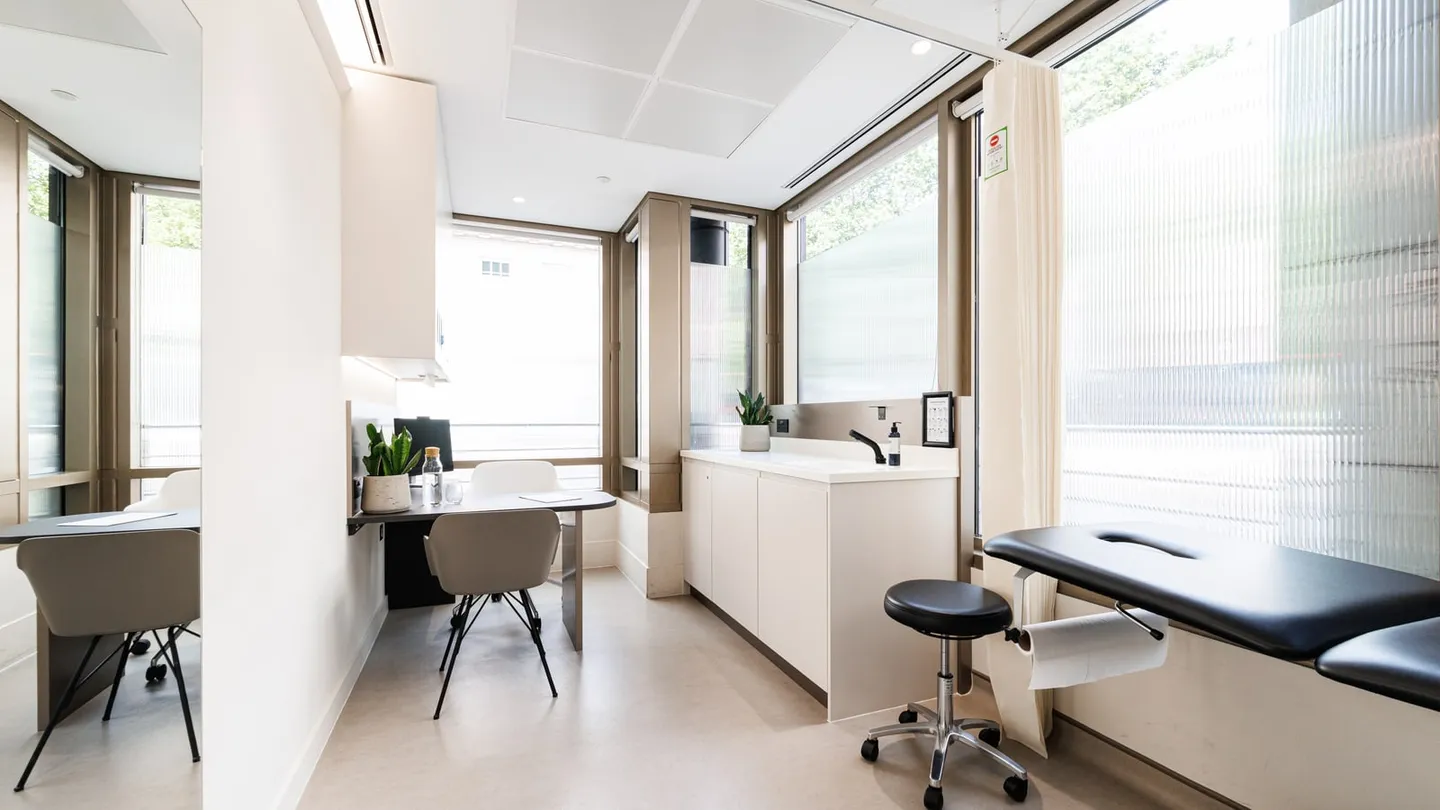
- Sessions at UNTIL Soho or Liverpool Street
How it works
How the sessions run
Getting started
Wear comfortable clothing you can move and sit on the floor in. Come with an honest picture of your week rather than an idealised one, because the practices are built around the time you actually have.
During your sessions
After your sessions
You leave with written notes for each practice: what to do, how long for, and where in the day it sits. Bring back what you actually used, not what you meant to use, and we adjust from there.
Pricing
Written by Roxanna Danae, Transformation Coach & Wellness Consultant · No statutory regulator: this is breath and movement coaching, not a regulated clinical therapy.
FAQ
Nervous system regulation
questions
Is this therapy?
No. It is coaching in breath and movement practices, and it is not counselling, psychotherapy or any form of clinical care. I am not a clinician and I do not work with conditions. If what you describe needs that kind of support, I will tell you so and point you towards it.
What does a session actually involve?
Mostly practising. We talk briefly about your week, then spend the session on breathing patterns and slow movement, with time spent noticing what you physically feel. You leave with written notes covering what to do, how long for, and when in the day it fits.
Do I need to be doing this alongside training?
No, though most people here are. It works as a standalone piece of work, and it is built into the six month programme as standard. If you already train elsewhere and only want this part, that is a sensible way to use it.
How long before I notice anything?
That varies between people and I am not going to promise you a timeline. What I will say is that practices done for two minutes most days tend to be reported as more useful than long sessions done occasionally, so the design favours short and frequent.
How is this different from Spinal Energetics?
These are practices you learn and then do on your own. Spinal Energetics is a hands-on session that happens with me, works along the spine with light touch, and needs screening beforehand. People often do both, but they are separate things.
Get Started
Ready to begin?
Book today.
Roxanna Danae • 111 Charing Cross Road, London WC2H 0DT
Book a free consultationA 30 minute call, no obligation.